 LondonLifeBalance
The Science of Energy Balance
Understanding how your body manages incoming energy from food and outgoing energy through metabolism and movement.
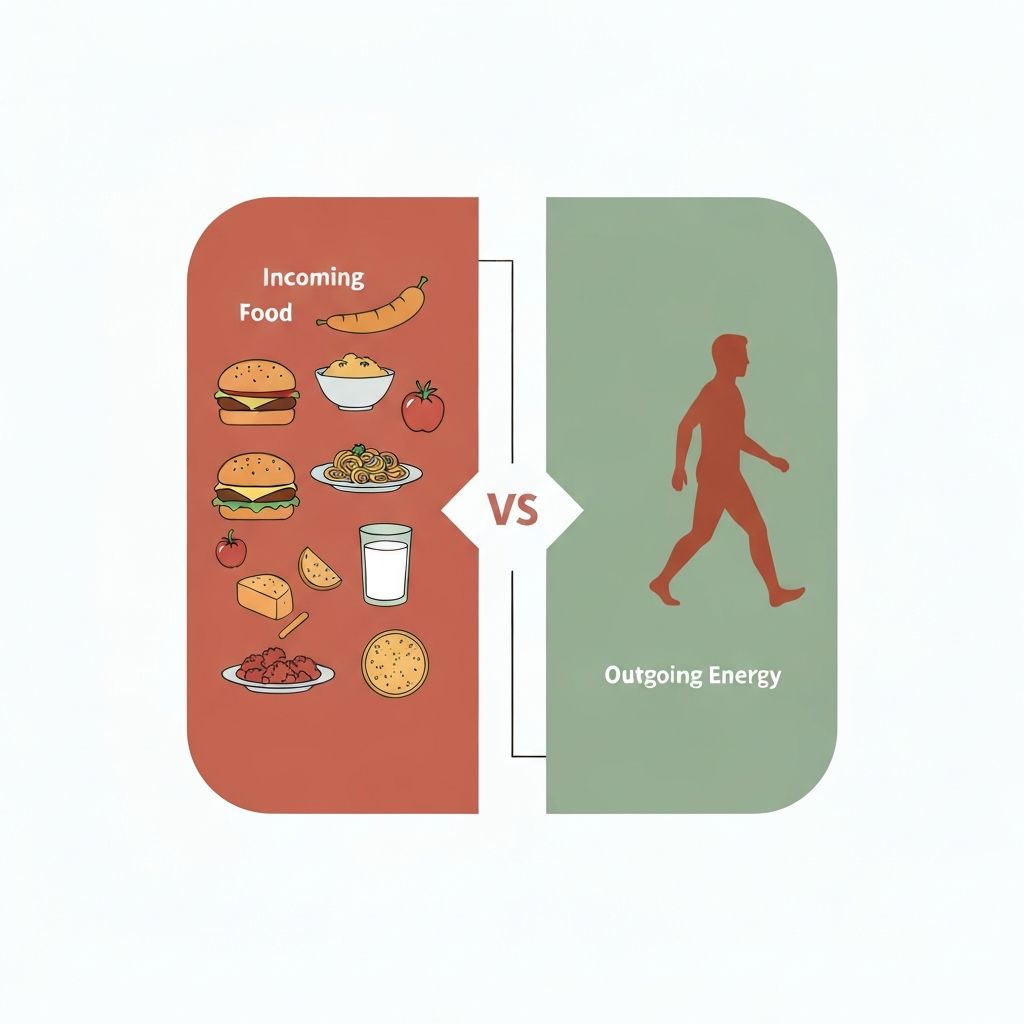
What is Energy Balance?
Energy balance is a fundamental concept in nutrition science describing the relationship between energy intake (calories consumed through food) and energy expenditure (calories used through metabolism and physical activity). This principle helps explain how the body processes and utilizes food energy.
Energy Intake
Energy comes into the body through the food we consume. Different foods contain varying amounts of energy measured in calories or kilocalories. Macronutrients have different energy densities: carbohydrates and protein contain approximately 4 calories per gram, while fat contains approximately 9 calories per gram. This is why fat-rich foods are more energy-dense than protein or carbohydrate-rich foods of equivalent weight.
The body digests different foods at different rates and processes them through distinct metabolic pathways. What you eat influences not just energy intake quantity but also how your body processes that energy.
Energy Expenditure
Energy leaves the body through several mechanisms. Basal metabolic rate (BMR) is the energy your body uses at rest to maintain basic functions like breathing, circulation, and cell function. This accounts for the majority of daily energy expenditure for most people.
Thermic effect of food (TEF) is the energy required to digest, absorb, and process nutrients from food. Different macronutrients require different amounts of energy to process. Protein requires more energy to digest than carbohydrates or fat.
Physical activity and movement add to energy expenditure. This includes structured exercise as well as daily activities like walking, standing, and occupational activities.
Individual Variation
Energy balance calculations vary significantly between individuals based on genetics, age, gender, body composition, activity level, and metabolic factors. Two people consuming identical amounts of food and engaging in identical activity may experience different outcomes due to fundamental physiological differences.
Complex Regulation
Energy balance isn't simply a mathematical equation. Your body actively regulates energy intake and expenditure through hormonal signals, nervous system responses, and physiological adaptations. This regulation varies between individuals and can be influenced by many factors including sleep, stress, medications, and health conditions.
Practical Understanding
Understanding energy balance helps explain why eating patterns, food composition, and activity levels all factor into health and body composition. However, individual responses to changes in energy balance vary. What works effectively for one person may not produce identical results for another due to differences in metabolism and genetics.